

Blog Post
Your child’s first smartphone: give, lend or share?
“Can I get a smartphone for Christmas?” What experts recommend for a safe start and how families handle the first smartphone in very different ways.
Anna Bilek
Need help figuring out where to start with online safety? We've got you covered!
“Can I get a smartphone for Christmas?” What experts recommend for a safe start and how families handle the first smartphone in very different ways.
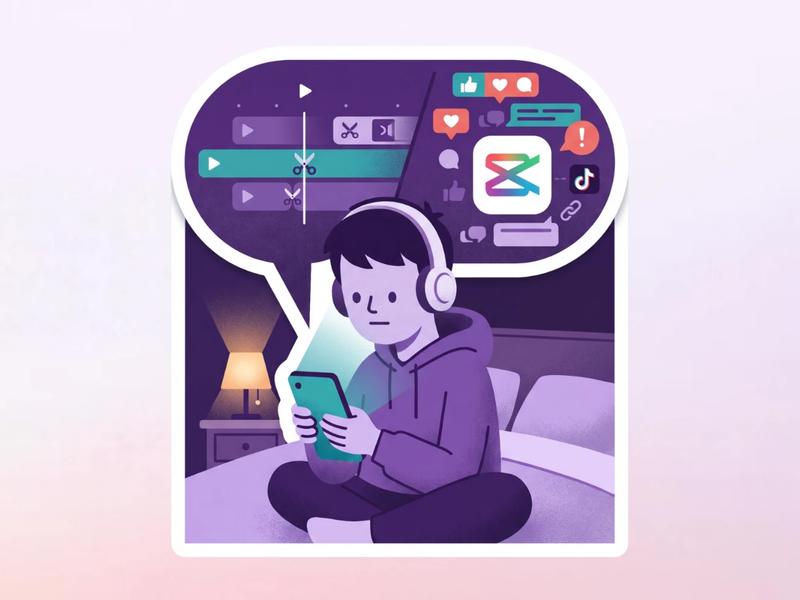
For a long time, CapCut was simply the app for editing videos. Now it has its own feed, comments and a link to TikTok. What dangers this brings for children and what parents can do now.

AI companions like Character.AI write back, remember every detail and never sleep. What parents need to know about these chatbots, where the dangers lie and what you can do now.

Many parents see Spotify as harmless, even for young children. But with a video feed, video podcasts and direct messages, the music app has long since become something else. Where the dangers lie and what you can do now.
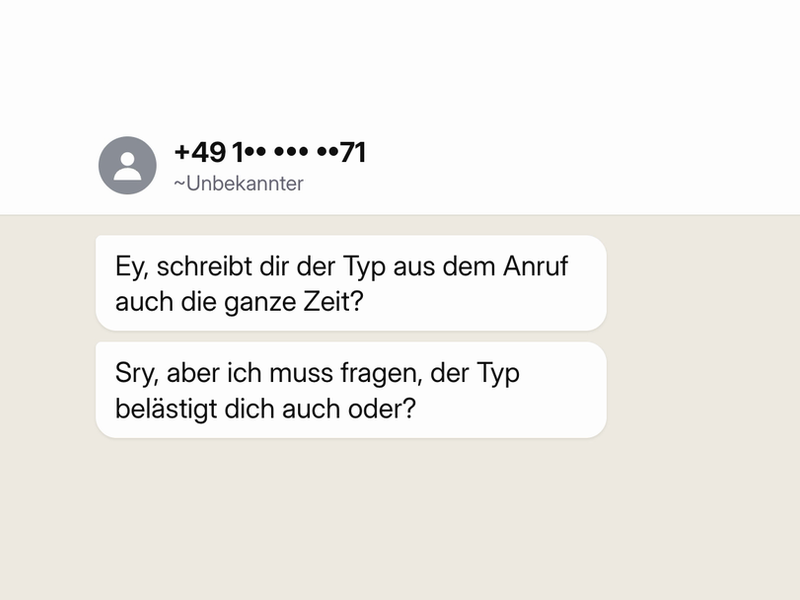
The child safety app Helmit flagged this tactic in a real case. A man pulled 14-year-old Mia into a WhatsApp group call and harassed her. Shortly afterwards, a stranger messaged her from a different number.

Almost one in five children has already experienced cybergrooming. The tactics offenders use, how children can spot them and what parents can do before and after something happens.
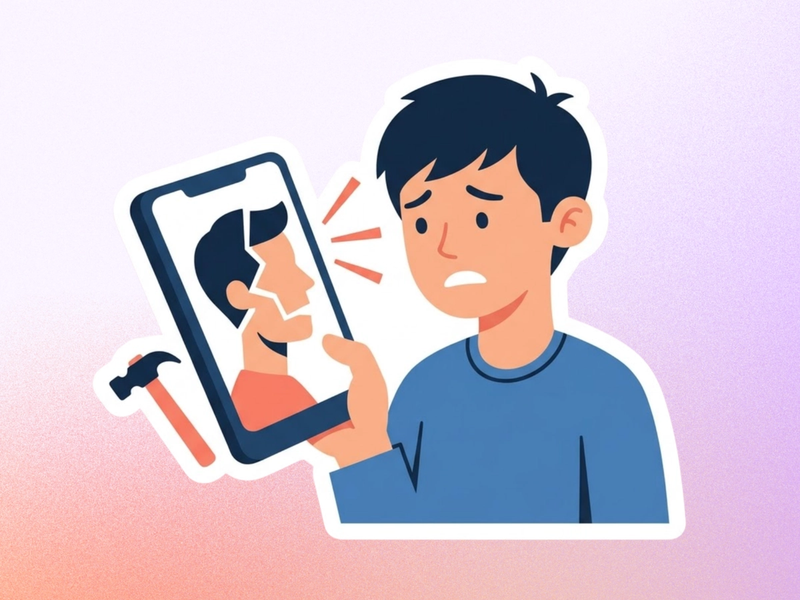
There are boys who deliberately hit their own jaw and cheeks with a hammer or their own fist. Not out of anger. Not out of despair. But out of a wish to become better looking. It even has a name: bonesmashing. The idea behind it: repeated injuries are supposed to make the facial bones grow back more defined. And it is only the extreme tip of a trend currently sweeping up millions of young men: Looksmaxxing.
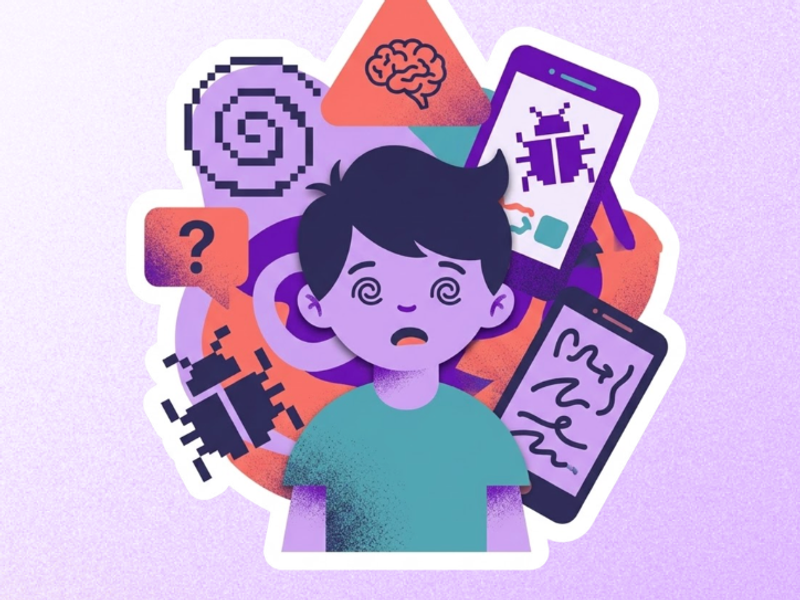
"Skibidi." "Rizz." "Ohio." "Gyatt." "Sigma." If you've already heard these words from your child, then the topic has long since arrived in your household. You just might not have called it by its name yet: Brainrot.
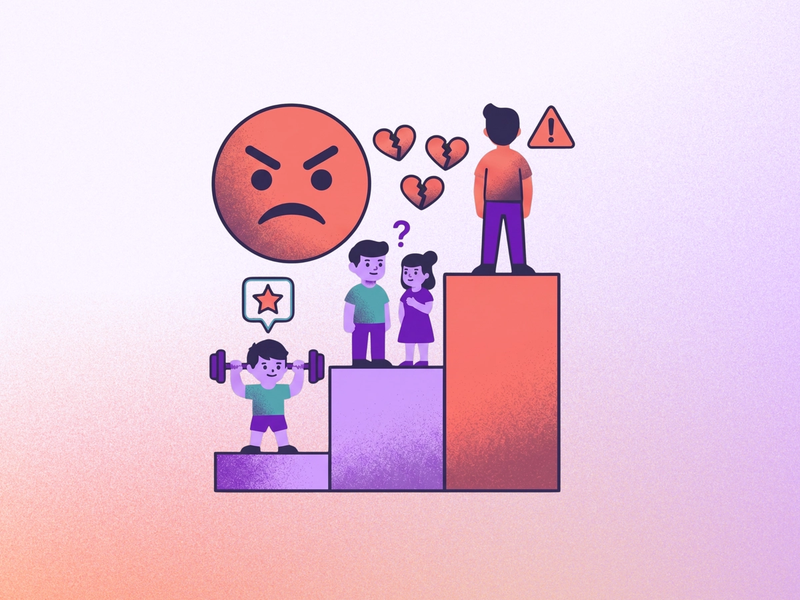
Your son comes home from school, sits down for dinner, and casually says, "Women only want rich guys anyway." You look up. Ask him where he heard that. He shrugs. "Online. That's just how it is." Maybe just a dumb line he picked up somewhere. Maybe. But if there's an algorithm behind that sentence, one that's been feeding your son a specific worldview for months and quietly defining what a "real man" is, then it isn't a phase anymore. He's already deep inside the manosphere.
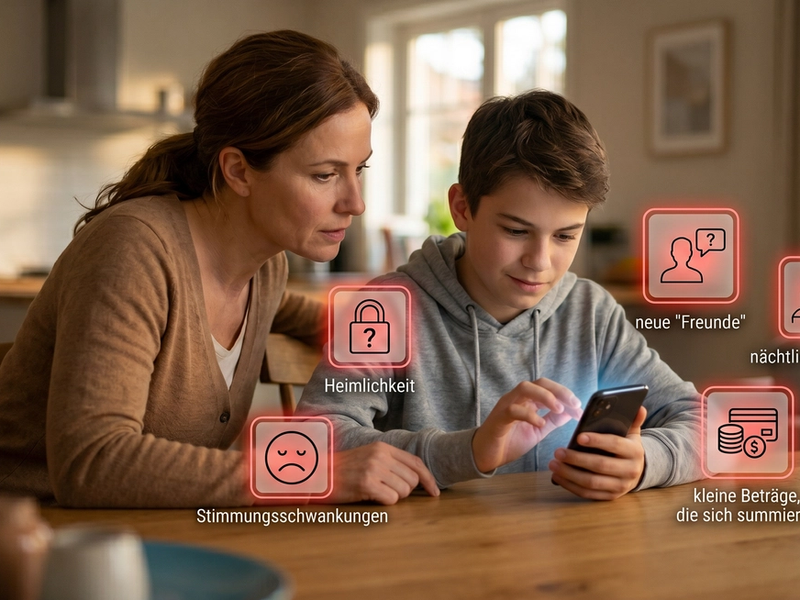
Cyberbullying, cybergrooming, and harmful content rarely start with a bang. They show up first as small shifts in your child's behaviour, the kind that are so subtle they get written off as "a bad day" or "just puberty." But those behavioural changes are usually the first clue, long before the actual problem surfaces. Here are 5 red flags parents most often miss in real life, each with a concrete tip you can put into practice today.

Picture this: Your daughter is 11 years old and has a skincare routine with 6 products. Including retinol serum and exfoliating acid. Products actually developed for adults over 30. Sounds absurd? It's becoming normal. This phenomenon even has a name: "Sephora Kids". Kids between 7 and 12 pick up multi-step skincare routines on TikTok and then storm drugstores and beauty shops. In 2023 alone, Generation Alpha spent 4.7 billion dollars on skincare and makeup (more than any other age group). To understand how it got to this point, we need to talk about something fundamental.

You're thinking about installing Helmit, but one thing is still open: How do I bring this up with my kid? Don't worry. Most children react more positively than expected when you have the conversation the right way. The most important thing is that your child feels like they get a say in the decision, because Helmit doesn't just affect you, t affects both of you. So you should talk about it together. That's exactly why we created this 3-step guide.
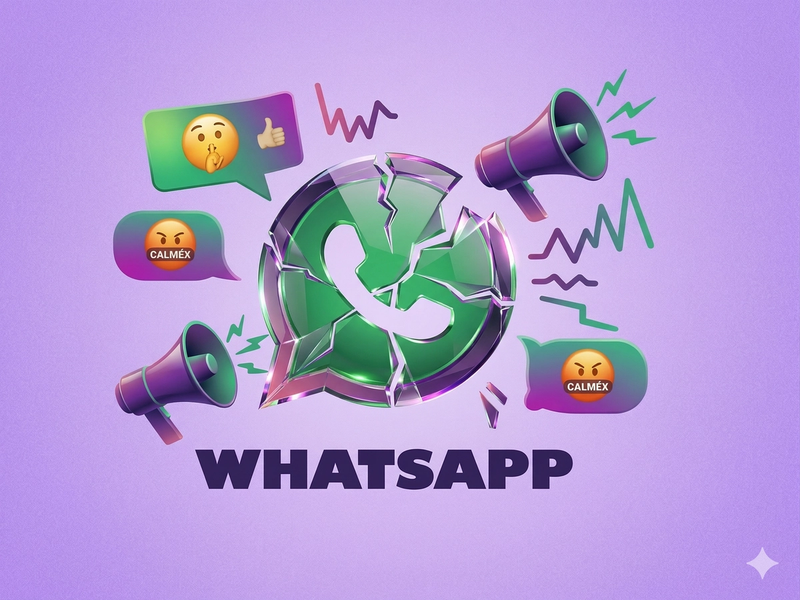
Many parents still see WhatsApp as a much "safer" space compared to platforms like Instagram, Snapchat, and Roblox. But with the new WhatsApp Channels feature, it's becoming clear just how quickly digital platforms can change.
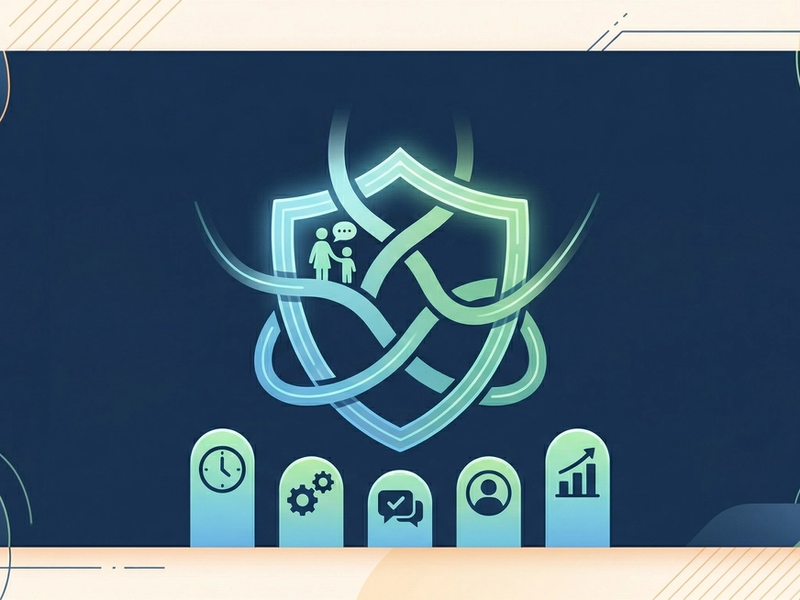
Your kids spend hours every day on Instagram, TikTok, Snapchat and other platforms. What they experience there stays invisible to most parents. Online grooming, cyberbullying, inappropriate content: these dangers are real, but they happen behind locked screens. Then there's a problem that sounds less dramatic but defines daily life for millions of families. Digital habits that are nearly impossible to enforce without outside help.
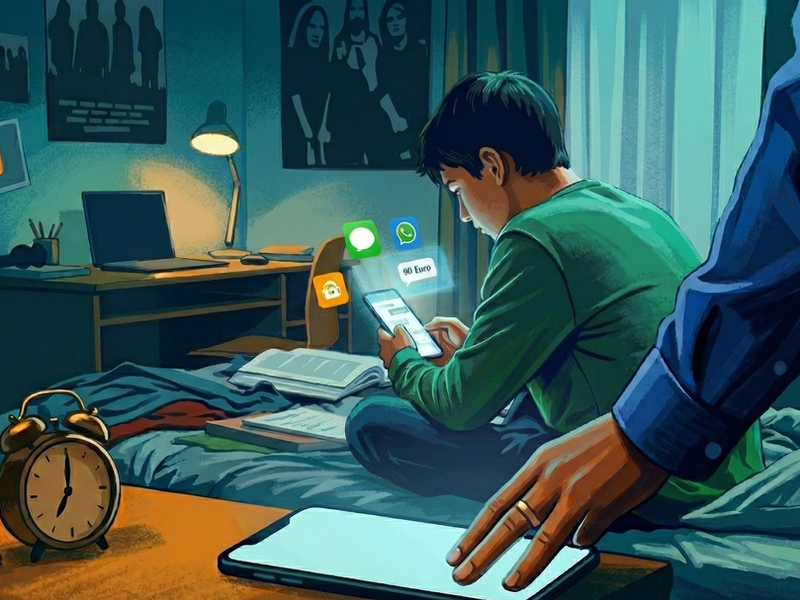
Your kid needs money for a new game, new clothes, or the latest TikTok trend, and that's completely normal. But what if someone on the internet exploits that exact desire and promises your child "easy money"?

Minecraft is a hugely popular sandbox game that encourages creativity, but its online servers and chats may expose kids to strangers and inappropriate content.
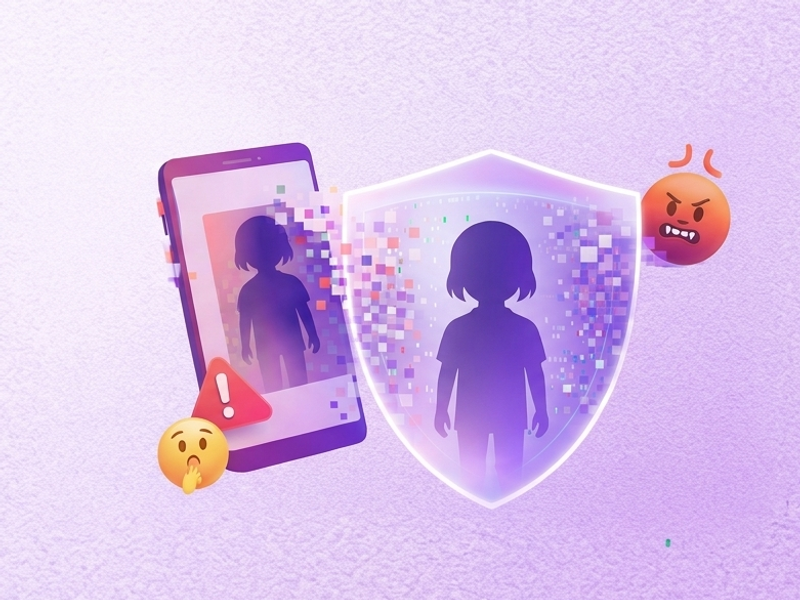
Someone takes a completely normal vacation photo of your child from Instagram and turns it into a disturbingly realistic nude image. No Photoshop. No technical skills. One upload, one click, done. It sounds like a nightmare. But it's happening every single day, and for most parents, nude deepfakes are still a completely unknown threat. Here's what you need to know, why it matters, and what you can do about it right now.
“Bet” is a slang term used to agree, confirm, or accept a challenge. It’s like saying “okay,” “sure,” or “you got it.”
“Bet” is a slang term for agreeing, confirming, or accepting a challenge. Learn how teens use it, examples

Instagram is a widely used social media app. Here’s a review focused on safety, privacy, and parental control tips for protecting your child online.
FBOI stands for “Fk boy,” a term used to describe a guy mainly interested in casual sex rather than a relationship.
FBOI stands for “F**k boy,” describing a guy mainly interested in casual sex. Learn when teens use it

Snapchat is a messaging and photo-sharing app popular with teens. This review examines safety, privacy, and potential negative impacts for kids.
“Sus” is short for “suspicious” and is used to describe someone or something that seems shady, untrustworthy, or questionable.
“Sus” means suspicious and is used when someone or something seems shady. Learn when teens use it, examples

TikTok is a popular social media app for short videos. Here’s a concise review of its safety, educational value, and parental controls.
“No Cap” is a slang phrase meaning “no lie” or “I’m being serious,” often used to emphasize honesty or truthfulness.
“No Cap” means “no lie” and is used to emphasize truthfulness. Learn when teens use it, examples, and how to

Roblox masks sexual content and gambling traps as a harmless game, while predators use "off-platforming" to lure children past filters into unmonitored chats where extortion thrives. Standard parental controls are blind to these external threats, leaving your child vulnerable to attacks you cannot see. You think they are just building blocks, but do you know who is actually watching them right now?

Financial sextortion is a rapidly growing cyber threat driven by organized crime, targeting primarily teenage boys (ages 14–17) rather than girls. Perpetrators use fake profiles to groom victims, solicit explicit images, and immediately blackmail them for money. This article analyzes the "Sextortion Funnel," the increasing use of AI and deepfakes to deceive victims, and the psychological factors that prevent boys from seeking help. It outlines a critical emergency protocol for parents (Do not pay, secure evidence) and highlights technical solutions like "Helmit." Helmit is introduced as a privacy-first, AI-driven software that detects grooming patterns and coercion on-device, alerting parents only when a genuine threat arises, thus balancing safety with adolescent privacy.

Social pressure (Peer Pressure) belongs to normal development in childhood and adolescence – but can reinforce risky behavior, bullying, and psychological burdens, especially in puberty when belonging to a peer group becomes extremely important. Research shows three central protective factors: - A reliable, appreciative parent-child bond. - A realistic, stable self-esteem. - Supportive friendships instead of toxic cliques.

Helmit has been nominated for the Audience Award for Digital Togetherness 2025 in the category Digital Participation - and we need your vote. Our mission is to make the internet safer for children and teenagers by empowering parents to protect them from cyberbullying, grooming, and toxic content without violating their privacy. Public voting is open until 30 November 2025 and takes less than a minute: enter your email, confirm via the email link, and your vote helps us support even more families.

The digital life of teenagers is often a "black box" filled with assumptions. The new JIM Study 2025 replaces these myths with facts. This article reveals 5 surprising truths about the smartphone generation, including why sports are now more popular than meeting friends, how ChatGPT has become a key research tool, and the real digital risks teens face daily.

Sextortion often starts with a friendly chat – but it’s far from harmless. Offenders build trust, move conversations to private platforms, and later use fear and pressure to blackmail victims. Learn how sextortion works and how to protect your child from this growing online threat.

All the other kids already have a smartphone – but not your child? You’re wondering if your child is really ready, or if it’s better to wait a little longer? In our new blog post, you’ll find out how to tell if your child is ready for their first smartphone, what questions you should ask yourself as a parent and why starting with a simple phone might sometimes be the better choice.

YouTube is part of everyday life for many kids — but not all videos or ads are suitable for them. This article explains how to set up YouTube safely, block harmful content and ads, and guide your child toward healthy media habits.

Cybergrooming is a serious online risk for children. This article explains how predators operate, why social media and gaming platforms are affected, and how parents can spot warning signs.

Discord is popular with teens – but predators also use the platform to approach kids. This article explains how predators operate on Discord, which warning signs parents should take seriously, and how you can protect your child. It also shows how Helmit helps parents get notified in time.

WhatsApp, Instagram, TikTok, Snapchat and BeReal are an essential part of young people’s daily lives. This article explains how these apps work, why they are so popular, and how you as parents can support your children safely with interest and clear rules.

Snapchat Streaks, TikTok Duets or daily gaming sessions – for teenagers, these digital rituals are more than just trends. They strengthen friendships, foster creativity, and provide structure in everyday digital life. This article explains what these rituals mean and how you as parents can better understand them.
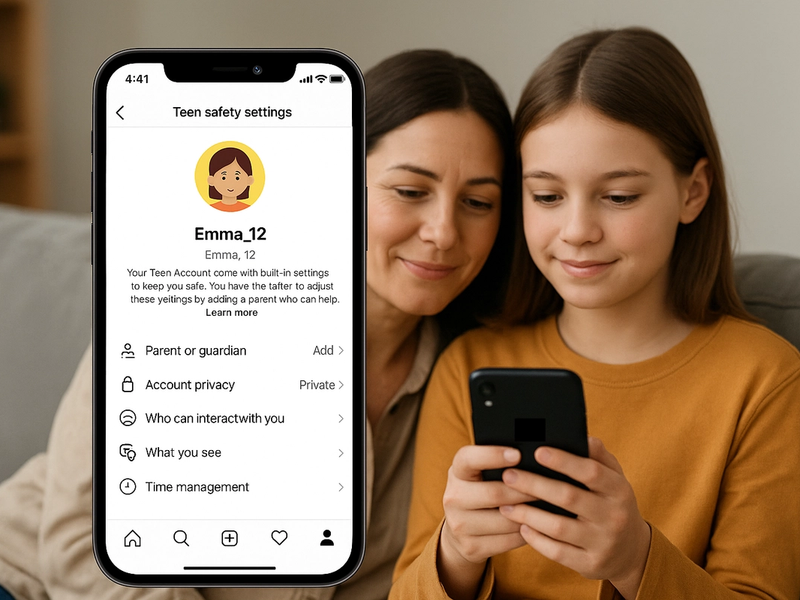
Instagram can be fun for kids – but it also carries risks. This post shows you step-by-step how to set up privacy settings so your child can use Instagram safely. Includes tips on account privacy, messages, stories, tags, parental supervision, and more.
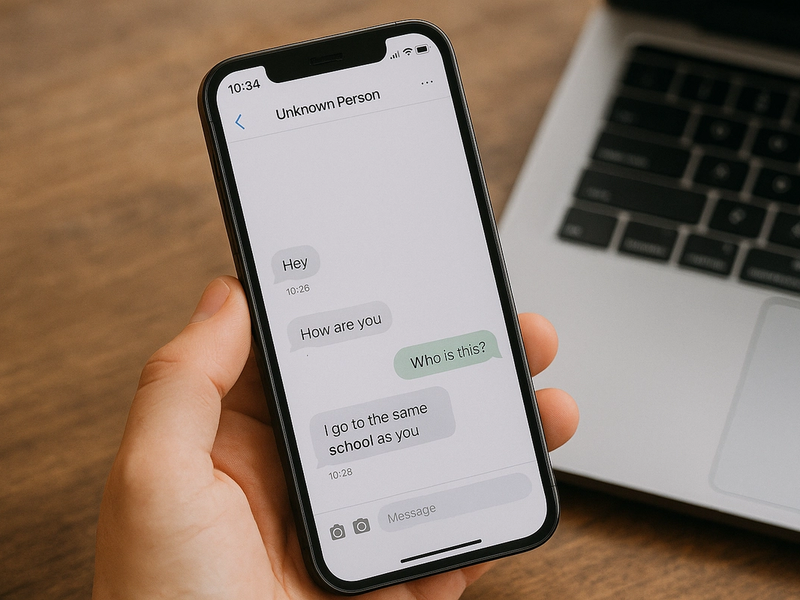
Kids are constantly making connections through social media – but not every new “friend” is who they claim to be. This post shows you, as parents, how to quickly and confidently check if a new online contact is safe or potentially risky – and how to help your children stay alert and aware.
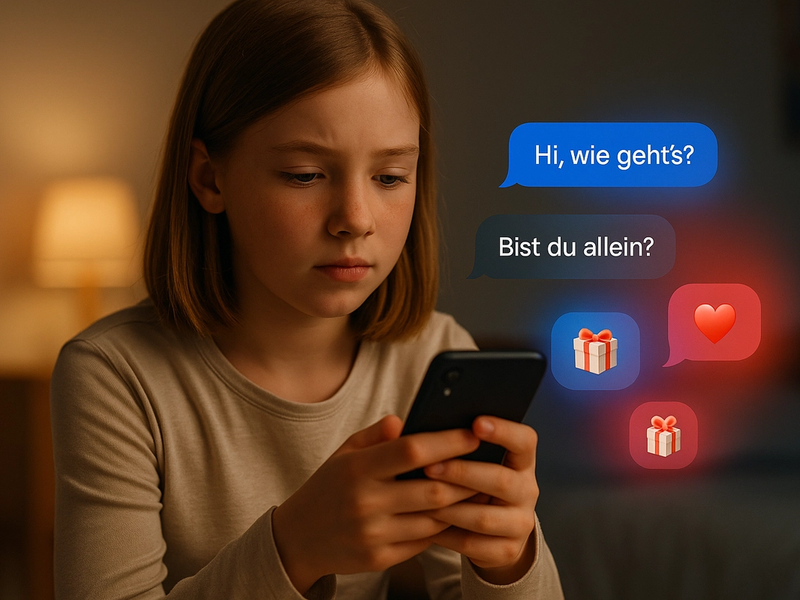
Getting their first smartphone gives children independence — but also exposes them to risks. Studies show that many minors have already been contacted by strangers with sexual intentions. This article explains the warning signs you should take seriously, why stranger contact is so dangerous, and how you can protect your child through open conversations, clear rules, and smart digital tools.

Snapchat is one of the most popular apps among teenagers – but it also comes with serious risks. This article explains the dangers, from grooming to cyberbullying, and shows you step by step how to adjust privacy and safety settings to keep your child protected.



In a world where kids are growing up with smartphones in hand and social interactions increasingly take place online, cyberbullying has emerged as one of the most insidious threats to children’s mental health and overall well-being. Unlike traditional bullying, which is often limited to specific places or times, cyberbullying transcends boundaries. It can happen any time of day, follow your child into the safety of their bedroom, and often goes unnoticed by adults. As parents, it's our responsibility to stay informed, vigilant, and proactive. This guide combines real-world insights and actionable advice to help you understand what cyberbullying looks like in today’s digital world, recognize the warning signs, and take meaningful steps to protect your child.